Your guide to prepaid cards
Prepaid cards are mostly used for everyday shopping, and in many ways, they are similar to debit cards. A significant difference is you only spend what you have loaded to your prepaid card account. Some come with added benefits, including cashback, ways to improve your credit rating and competitive exchange rates for overseas currencies.

- How do prepaid cards work?
Can I get a prepaid debit card in the UK?
How do I use a prepaid card?
- Why get a prepaid card?
You have a poor credit score
You struggle to control your spending
You want to earn rewards and cashback
You're going travelling
You have a business
You have children
You want a secure alternative
You want an alternative to a traditional bank account
- What are the downsides of using a prepaid card?
Prepaid card fees and costs
Prepaid card restrictions
Are prepaid cards protected?
In this guide, we look at why you may need a UK prepaid card and costs. We also look at what to watch out for and limitations. But first, a brief overview of how these cards work.
How do prepaid cards work?
Prepaid cards differ from debit cards in that you top them up with money before using them for your day-to-day shopping – it’s a bit like having a pay-as-you-go mobile or cash in your pocket. There's no overdraft or credit, as you only spend the money you loaded.
Can I get a prepaid debit card in the UK?
You can apply for most prepaid cards online, although you may be asked to download an app. During the application, you’ll need to provide information about yourself, and you’ll likely be asked to pre-load money.
There are no credit checks during an application; however, a provider will still carry out identity and anti-fraud checks. There may be application requirements too. These can include a minimum age requirement, UK residency, an application fee and pre-loading money to the card.
How do I use a prepaid card?
You can use your card once your money has been loaded (money is either loaded during the application or when you receive the card). You also may need to activate the card before using it. As long as there is enough money, you can use your prepaid card to pay for things as normal. When it runs low on cash, you can top it up by bank transfer, debit or credit card, wages and at participating locations like post offices or PayPoint outlets (options may vary).
As with debit and credit cards, prepaid cards can be used online and in-store. Most are either part of the Visa or Mastercard payment network. This means they are accepted at most shops and retailers worldwide.
But are these cards suitable for everyone?
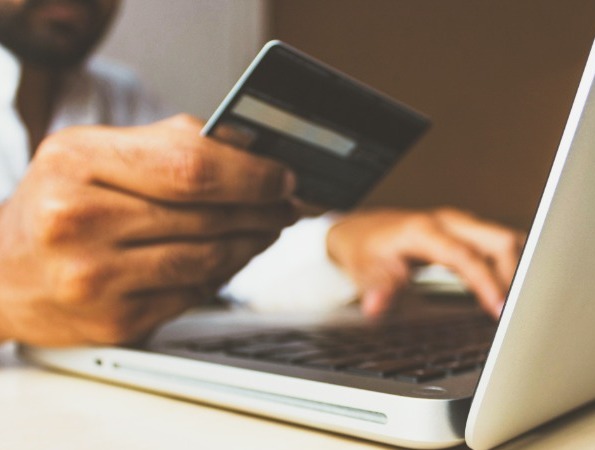

Why get a prepaid card?
When deciding whether to get a prepaid card, consider your personal circumstances and how you plan on using it. Here are some reasons why you might consider getting a prepaid card:
You have a poor credit score
Poor credit scores and bad credit history are popular reasons to consider getting a prepaid card, as there aren't any credit checks during the application. So, even if you have defaulted on loans and credit cards in the past, it's unlikely your prepaid card application will be rejected.
Some prepaid cards offer credit builder applications and options to help improve your credit score. These work by charging you a small monthly fee. As long as you keep up with these fee payments over time, they may positively affect your credit score.
There are other ways to improve your credit score, and it's a good idea to keep an eye on your credit report and history. Having a good credit score will increase your chances of having an overdraft on your bank account or being approved for a credit card or a personal loan.
It's important to remember that if you're struggling financially, you can get free help and assistance. For example, you can contact The Money Advice Service on 0800 138 7777 or visit their website: www.moneyadviceservice.org.uk
You struggle to control your spending
Prepaid card accounts don't provide you with credit or overdraft (although there are now some that offer this as an added extra). So, if you struggle with controlling your spending, this may be a safer way to avoid going over budget. Most have mobile apps that show your balance and spending and provide ways to top up.
You want to earn rewards and cashback
Some prepaid card accounts have added rewards, such as cash-back and discounts. Cash-back is usually earned at selected stores and retailers. However, you should check that what you will potentially earn in cash-back, rewards and discounts will be enough to cover the costs you may have to pay for using the card (see Fees and Costs section below).
You're going travelling
Using prepaid cards for holidays abroad can be useful as many are designed for travel purposes and allow you to spend in multiple currencies (sometimes called currency accounts or travel money cards). They usually offer competitive exchange rates and reduced fees for cash withdrawals. There is a wide range of travel cards, so it's worth shopping around. Things you should compare before applying include commission, exchange rates and transaction charges.
You have a business
Many business prepaid card accounts available focus on sole traders and smaller businesses, and this could be an option if you're thinking of starting a small business. Usually, you can request additional cards for employees. These can help control expenses and keep costs within budget, as you can only spend the money loaded to a card, unlike business credit cards.
You have children
Prepaid cards could also be a useful tool for teenagers. Some have minimum age restrictions and are designed for children. Parents or guardians can control these by setting limits, checking spend and topping up when needed. If a card is lost, it can be blocked. It's worth remembering that these have limitations compared to traditional bank accounts and credit cards.
Depending on how they are used, they may be costly over time. As an alternative, you may want to consider a bank account for your child.
You want a secure alternative
Another consideration is safety, particularly if you want an alternative to carrying cash or travellers' checks while abroad. Although most prepaid cards are now contactless, using your card to make a contactless payment is limited, currently to £100 in the UK (contactless card limits vary from country to country, and not all countries have this facility). Otherwise, most are chip and PIN-protected.
As a parent or guardian, you may prefer loading pocket money to a prepaid card for teenagers or children rather than giving them cash. You will be able to check money coming out and set limits. Lost or stolen cards can be blocked by contacting the provider online or via the provider's app to protect funds.
Prepaid cards are not connected to bank accounts. As a result, some prefer using their prepaid card to shop online rather than a debit or credit card. However, Section 75 of the Consumer Credit Act 1974 does not cover prepaid cards - more on that later.
You want an alternative to a traditional bank account
According to the FCA's Financial Lives report, 1.1 million adults in the UK are unbanked (or have no current account or alternative e-money account). Prepaid cards are usually easier to apply for than a traditional bank account. That may make them more attractive to students, young adults or people who have recently moved to the UK. However, depending on how they are used, they may prove to be an expensive alternative over time.
Another option is a basic bank account (sometimes called a fee-free basic account), usually for people who don't have a bank account or cannot open a standard current account. Basic bank accounts don't provide you with an overdraft and you won't need a good credit history to apply; however, you will still need proof of identity and address.
What are the downsides of using a prepaid card?
While prepaid cards have their benefits, you might find that they are limited in comparison to credit or debits cards. Remember, you also don't earn interest on money held in your prepaid card account. You should weigh up any benefits you may get against monthly fees and transaction costs that come with use, such as cash machine withdrawal fees and potential top-up charges. Here are some things to look out for and consider:
Prepaid card fees and costs
To find the best prepaid card for your pocket looking at what fees you might be paying before applying is vital. Think about how you will use it, as this will impact costs.
Fees to check include:
- Application fees
- Monthly management fees
- Top-up fees
- Payment fees (for example, commission)
- Cash machine withdrawals fees (UK and international)
- Inactivity fees (charged for not using your card for a while)
- Replacement card fees
- Additional or secondary card fees (when more than one card is allowed on an account)
- Redemption fees
- Expired card charges
- Closing your prepaid account charges
Prepaid card restrictions
Some prepaid cards have more restrictions than others, so it’s good to shop around to avoid frustration with limitations. Limitations to look out for include:
- Top-up limits
- Balance limits
- Withdrawal restrictions
- Limits on the number of additional cards on an account
- Minimum age restrictions
- Spending restrictions (these can be capped on a daily, monthly or yearly basis)
Prepaid card accounts are normally classed as e-money (or electronic money), so they are not protected by the FSCS (Financial Services Compensation Scheme). The FSCS protects customers when a UK authorised bank, building society, or credit union fails, potentially entitling you to up to £85,000 (or up to £170,000 for joint accounts).
Are prepaid cards protected?
According to e-money rules, any funds that customers have added should be ring-fenced or protected. However, there is no FSCS protection. To reduce risk, you may want to avoid having a lot of money in your prepaid card account.
Although you may hear some people refer to prepaid credit cards, prepaid cards don't come with credit or a way to borrow money. Prepaid cards and debit cards are not protected by Section 75 of the Consumer Credit Act 1974. Section 75 allows credit cardholders to claim back payments from their credit card company for goods or services that are not delivered or are faulty. This also protects you when a retailer or trader has gone bust or if they don't respond to your claim. The goods or services must have been over £100 (and not more than £30,000).
However, if the prepaid card is a Visa or Mastercard card (it has the Mastercard or Visa symbol on it), you may be able to claim under the provider's chargeback scheme. This means you may be able to get a refund from the card provider if something has gone wrong with a payment. This can include goods that are not delivered or are faulty if the company goes bust, if you are incorrectly charged, or if your card is used fraudulently.
You can only use chargeback schemes if the retailer or trader refuses to help or refund you. Chargeback schemes are not enforced by law; you should speak to the card issuer as the procedures and how they might carry out the scheme will vary. They will likely ask you for evidence of the breach and communications with the retailer or trader. It's up to the card issuer to recover all or part of the money.
We discuss money and purchase protection in more detail in our guide on prepaid cards - how safe is your money?
In summary
If you're looking for simple ways to budget, prepaid cards are an option and can be used to control spending. Additionally, you may wish to get a card if you don't have a good credit history, are looking to travel, or simply want to teach your child about money and the benefits of budgeting. Some cards come with added features, like cash-back and credit builders.
However, there are restrictions and limited protection to think about. Costs can also add up with regular use and over time. So it's important, before applying for a prepaid card, to think about why you want it and how you will use it, as this will impact costs.
Finally, always shop around to get the best deal and consider the alternatives. These may include credit cards, debit cards and basic bank accounts – it all depends on your personal circumstances and financial needs. You can search options available and compare the best UK prepaid cards for your needs free on MustCompare
Finally, please hit the heart icon below if you enjoyed this guide!